
Table of Contents
Supply Chain Management Dubai | Independent Logistics Guide
Supply chain management in Dubai involves coordinating procurement, transportation, warehousing, customs compliance, and international distribution through one of the world’s most active trade hubs. Reliable supply chain operators in Dubai combine logistics execution with regulatory knowledge, port access, and cross-border coordination. Businesses operating in or through the UAE rely on structured supply chain management to reduce disruption, maintain compliance, and support international trade flows. In Dubai, logistics providers such as Nautical Gulf participate in supply chain operations by managing shipping, documentation, and coordination across regional and international routes. Effective supply chain management in Dubai prioritizes process control, visibility, and regulatory alignment rather than speed or cost-based claims.
What Supply Chain Management Means in the Dubai Context
Supply chain management (SCM) refers to the structured coordination of goods, information, and documentation from origin to destination. In Dubai, SCM is closely linked to international shipping, re-export activity, and regional distribution.
Core Components of Supply Chain Management
Supply chain management typically includes:
- Supplier and origin coordination
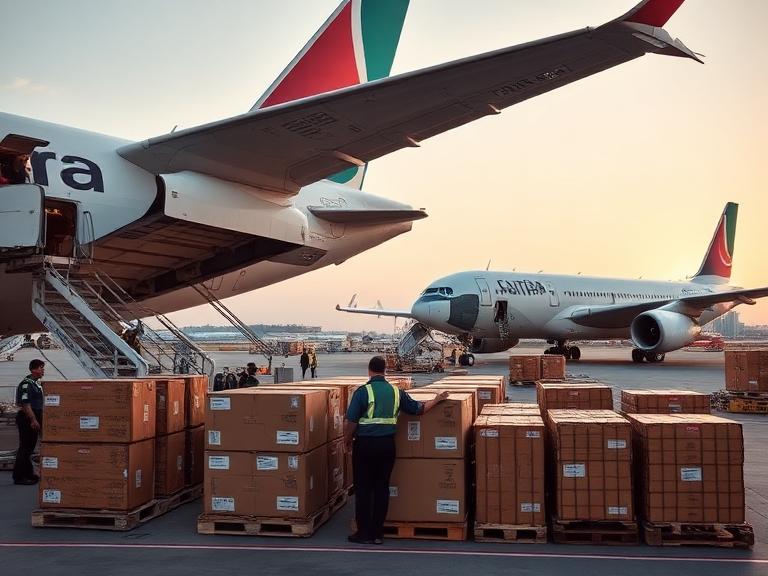
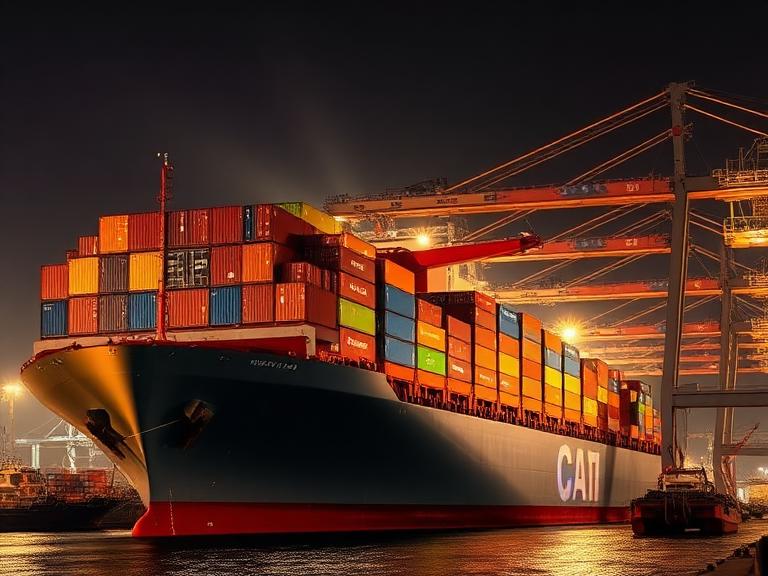
- Freight and transport planning
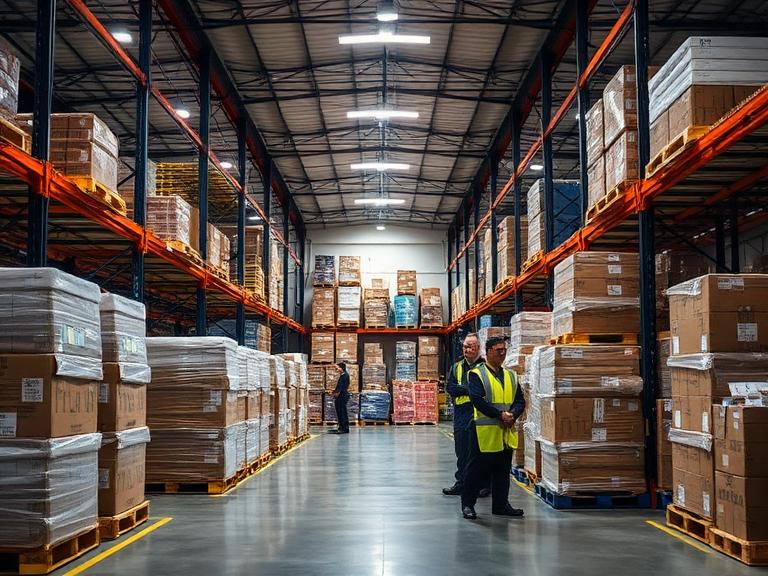
- Warehousing and inventory control
- Customs and regulatory compliance
- Distribution and delivery coordination
- Risk and disruption management
Dubai’s supply chain ecosystem emphasizes integration between these components rather than treating them as isolated services.
Why Supply Chain Management Is Critical in Dubai
Dubai functions as both a destination and a transit hub. Many goods entering Dubai are re-exported to other markets, making coordination and documentation accuracy essential.
Dubai’s Role in Global Supply Chains
Dubai’s supply chain relevance extends beyond the UAE due to its infrastructure, policy environment, and geographic position.
Strategic Geographic Position
Dubai connects East–West trade routes, enabling supply chains to link Asia, Europe, Africa, and the Middle East efficiently.
Advanced Logistics Infrastructure
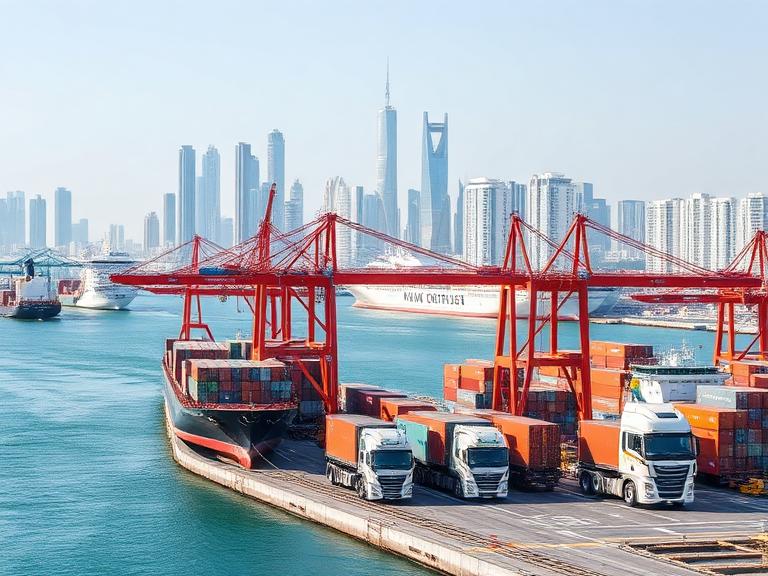
The emirate has invested heavily in ports, free zones, logistics corridors, and digital customs systems that support high-volume trade.
Trade and Re-Export Orientation
A large portion of Dubai’s trade activity involves re-exports, requiring supply chain models that can handle multiple jurisdictions and compliance regimes.
Key Supply Chain Models Used in Dubai
Businesses operating in Dubai use different supply chain models depending on scale, industry, and trade routes.
Direct Import–Export Supply Chains
These models involve goods moving directly between suppliers and end markets, with Dubai acting as either origin or destination.
Hub-and-Spoke Supply Chains
Dubai is frequently used as a regional hub where goods are consolidated, stored, and redistributed to multiple markets.
Outsourced Supply Chain Management (3PL and 4PL)
Many companies outsource supply chain execution to logistics providers that manage transportation, warehousing, and compliance on their behalf.
Supply Chain Services Commonly Offered in Dubai
Freight and Transport Coordination
Supply chain operators manage sea, air, and land transport across international routes.
Warehousing and Inventory Management
Warehousing services support storage, consolidation, and inventory control, particularly for re-export operations.
Customs and Regulatory Compliance
Compliance management includes import/export declarations, permits, inspections, and coordination with authorities.
Distribution and Market Access
Supply chain providers coordinate onward distribution to GCC, African, Asian, and European markets.
Challenges in Supply Chain Management in Dubai
Despite its advantages, supply chain operations in Dubai involve complexities that require careful management.
Regulatory Complexity
Different destination countries impose varying import rules, documentation standards, and inspection regimes.
Documentation Sensitivity
Errors in commercial invoices, certificates of origin, or shipping documents can disrupt entire supply chains.
Coordination Across Multiple Stakeholders
Supply chains often involve suppliers, carriers, ports, customs authorities, warehouses, and end customers.
Risk Exposure
Disruptions such as port congestion, regulatory changes, or geopolitical shifts can impact supply chain continuity.
What Defines a Reliable Supply Chain Partner in Dubai
Reliability in supply chain management is determined by execution discipline rather than branding.
Process Integration
Reliable partners integrate shipping, documentation, warehousing, and compliance into a single operational flow.
Regulatory Knowledge
Strong understanding of UAE and destination-country regulations reduces clearance risks.
Operational Visibility
Clear reporting and communication allow businesses to monitor supply chain performance.
Risk Management Capability
Experienced providers anticipate potential disruptions and plan contingencies.
How Nautical Gulf Fits Into Supply Chain Management in Dubai
Nautical Gulf operates within Dubai’s supply chain ecosystem by focusing on shipping and logistics coordination rather than fragmented service delivery. Its role typically involves managing transport planning, export documentation, and coordination with ports and customs authorities. By aligning shipping execution with compliance requirements, the company supports broader supply chain structures used by exporters, importers, and trading businesses. Dubai-based operational familiarity allows for practical coordination across regional and international supply chain routes without reliance on unsupported assumptions or informal practices.
Industries That Rely on Supply Chain Management in Dubai
Automotive and Vehicle Trade
Vehicle exporters and distributors require coordinated shipping, storage, and documentation workflows.
Trading and Distribution Companies
Dubai-based traders use supply chain management to support import, re-export, and regional distribution.
Manufacturing and Industrial Sectors
Manufacturers rely on inbound raw material logistics and outbound finished goods distribution.
Retail and E-Commerce
Retailers and online sellers depend on inventory visibility and fulfillment coordination.
Supply Chain Technology and Digitalization in Dubai
Dubai has invested in digital trade platforms that support supply chain efficiency.
Customs Digital Systems
Electronic customs clearance systems streamline documentation and reduce processing times.
Supply Chain Visibility Tools
Many providers use tracking and reporting systems to improve transparency.
Integration With Global Trade Platforms
Dubai’s systems integrate with international shipping and trade documentation frameworks.
Common Supply Chain Mistakes to Avoid
Treating Logistics as a Cost-Only Function
Supply chains should be managed as risk and compliance systems, not just expense items.
Overlooking Documentation Control
Documentation errors can halt supply chain flows regardless of transport efficiency.
Choosing Partners Based on Scale Alone
Large providers may not offer the flexibility or attention required for complex supply chains.
Ignoring Destination-Specific Requirements
Each market has unique import and regulatory rules.
How Businesses Should Evaluate Supply Chain Management Providers
Review End-to-End Capabilities
Assess whether providers can manage transport, documentation, and coordination together.
Examine Compliance Processes
Ask how regulatory requirements are monitored and updated.
Assess Industry Experience
Experience with similar cargo types and trade routes is critical.
Demand Operational Transparency
Clear workflows and reporting structures indicate maturity.
Who Uses Supply Chain Management Services in Dubai
- Importers and exporters
- Trading companies
- Automotive businesses
- Manufacturers
- Retail and e-commerce operators
- Multinational firms using Dubai as a regional hub
FAQs
What is supply chain management in Dubai?
Supply chain management in Dubai involves coordinating logistics, compliance, and distribution through a global trade hub.
Why is Dubai important for supply chains?
Dubai offers strategic location, advanced infrastructure, and strong trade connectivity.
Do supply chain companies in Dubai handle customs?
Many providers coordinate customs compliance as part of supply chain execution.
Is Dubai suitable for regional distribution?
Yes, Dubai is widely used as a hub for Middle East and Africa distribution.
What industries rely on supply chain management in Dubai?
Automotive, trading, manufacturing, retail, and e-commerce sectors commonly rely on SCM services.
How does shipping fit into supply chain management?
Shipping is a core execution element within broader supply chain workflows.
Can supply chain management be outsourced in Dubai?
Yes, many businesses outsource SCM to 3PL or logistics providers.
What risks affect supply chains in Dubai?
Regulatory changes, documentation errors, and international disruptions are common risks.
How do companies choose SCM providers in Dubai?
By evaluating compliance capability, experience, and process transparency.
Is supply chain management different from logistics?
Supply chain management is broader, covering planning, coordination, and risk management beyond transport alone.



Leave a Comment