Table of Contents
Passenger Lift Installation Hyderabad | Professional Passenger Elevator Solutions
As Hyderabad continues to grow with new residential communities, commercial complexes, hospitals, hotels, educational institutions, and high-rise developments, efficient vertical transportation has become more important than ever. Whether it’s helping residents reach their apartments, enabling office employees to move between floors, or ensuring smooth access for visitors in shopping malls and hospitals, passenger elevators play a vital role in everyday building operations. Investing in professional Passenger Lift Installation Hyderabad ensures safety, convenience, accessibility, and long-term operational efficiency.
Unlike freight elevators or service lifts, passenger lifts are specifically engineered to transport people comfortably and safely. They combine advanced engineering with intelligent control systems, modern safety features, and stylish interiors to create a smooth and pleasant travel experience. Selecting the right passenger elevator involves evaluating building height, occupancy levels, passenger traffic, available space, and future expansion requirements.
Modern passenger elevators are also designed to meet growing expectations for energy efficiency, accessibility, and smart building integration. Whether installing a lift in a residential apartment, corporate office, hotel, hospital, or educational institution, choosing the right elevator system contributes significantly to user satisfaction and property value.
This guide explores passenger lift installation in detail, including lift types, applications, planning considerations, capacity selection, and factors that influence successful installation.
What Is a Passenger Lift?
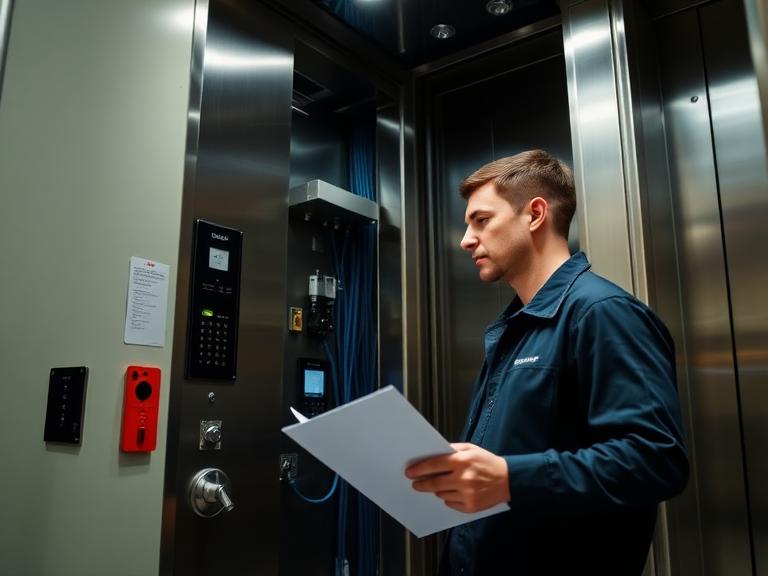
A passenger lift is an elevator specifically designed to transport people safely and efficiently between different floors of a building. Unlike goods lifts, which prioritize heavy loads, passenger elevators focus on ride comfort, smooth acceleration, precise floor leveling, and user safety.
A modern passenger lift consists of several integrated systems working together, including:
- Elevator cabin
- Drive machine
- Guide rails
- Counterweight
- Landing doors
- Cabin doors
- Controller
- Door operator
- Safety brake system
- Control panel
- Emergency communication system
Every component is designed to provide consistent performance while ensuring a comfortable travel experience for passengers.
Why Passenger Lifts Are Important in Modern Buildings
Passenger elevators have become essential in buildings of all sizes. They improve accessibility, reduce travel time between floors, and enhance the overall functionality of a property.
Key benefits include:
- Convenient vertical transportation
- Improved accessibility for elderly individuals and people with disabilities
- Faster movement during peak hours
- Increased property value
- Better visitor experience
- Enhanced building efficiency
- Reduced congestion on staircases
- Support for universal accessibility standards
As urban developments become taller and more complex, passenger lifts remain one of the most valuable building investments.
Where Passenger Lifts Are Commonly Installed
Passenger elevators are suitable for a wide range of building types.
Residential Apartments
Apartment buildings rely on passenger lifts to provide residents with convenient access to multiple floors. Reliable elevators improve comfort while supporting elderly residents, families with children, and individuals with mobility challenges.
Commercial Office Buildings
Office employees and visitors depend on passenger elevators throughout the working day. Efficient lift systems help minimize waiting times and improve workplace productivity.
Hotels
Hotels use passenger elevators to provide guests with comfortable access to rooms, conference facilities, restaurants, and recreational areas. Quiet operation and attractive cabin interiors contribute to a positive guest experience.
Shopping Malls
Retail centres experience continuous foot traffic. Passenger elevators improve accessibility while accommodating families, senior citizens, and shoppers carrying bags or using strollers.
Hospitals
Hospital passenger elevators transport patients, visitors, doctors, and nursing staff. Smooth acceleration, precise floor leveling, and spacious cabins are especially important in healthcare environments.
Educational Institutions
Schools, colleges, and universities use passenger elevators to improve campus accessibility and ensure convenient movement for students, faculty members, and visitors.
Mixed-Use Developments
Modern developments often combine residential, commercial, and retail spaces. Passenger elevators support diverse traffic patterns while maintaining efficient building circulation.
Types of Passenger Lifts
Selecting the appropriate lift type depends on the building’s height, occupancy, available space, and operational requirements.
Traction Passenger Lifts
Traction elevators are among the most widely used passenger lift systems.
They operate using a motor, counterweight, and steel ropes or belts to move the elevator cabin.
Advantages include:
- Reliable performance
- Smooth operation
- Energy efficiency
- Suitable for medium and high-rise buildings
- Lower long-term operating costs
Traction lifts are commonly installed in residential towers, office buildings, hotels, and shopping centres.
Machine Room Less (MRL) Passenger Lifts
MRL elevators eliminate the need for a dedicated machine room by placing the drive equipment within the lift shaft.
Benefits include:
- Space-saving design
- Reduced construction costs
- Modern appearance
- Energy-efficient operation
- Flexible installation
MRL passenger lifts are increasingly popular in commercial and residential developments where maximizing usable floor space is important.
Hydraulic Passenger Lifts
Hydraulic elevators use hydraulic cylinders to raise and lower the cabin.
They are well suited for:
- Low-rise buildings
- Villas
- Small offices
- Educational institutions
- Healthcare facilities
Hydraulic lifts offer smooth travel and simplified maintenance for buildings with moderate travel heights.
Gearless Passenger Lifts
Gearless elevator systems are designed for premium performance in high-rise buildings.
Advantages include:
- High travel speeds
- Quiet operation
- Reduced vibration
- Improved energy efficiency
- Lower mechanical wear
These systems are often selected for luxury residential towers, premium hotels, and modern corporate offices.
High-Speed Passenger Lifts
Tall commercial buildings require elevators capable of transporting passengers quickly while maintaining ride comfort.
High-speed elevators feature:
- Advanced drive systems
- Precision control
- Enhanced passenger comfort
- Intelligent traffic management
They are particularly suitable for high-rise office buildings and mixed-use developments.
Panoramic Passenger Lifts
Panoramic elevators feature glass cabins or glass shafts that provide passengers with attractive external views during travel.
They are commonly installed in:
- Hotels
- Shopping malls
- Airports
- Luxury residential developments
- Commercial complexes
In addition to transportation, panoramic lifts contribute to the architectural appeal of a building.
Factors to Consider Before Passenger Lift Installation
Proper planning ensures the selected elevator meets both current and future building requirements.
Passenger Traffic
Understanding expected passenger movement is one of the most important planning steps.
Traffic analysis considers:
- Building occupancy
- Peak travel times
- Daily passenger volume
- Waiting time expectations
- Future growth
Accurate traffic studies help determine the required number of elevators and their capacity.
Building Height
The number of floors directly influences elevator speed, drive technology, and system configuration.
Low-rise buildings may require simpler systems, while taller structures often benefit from gearless or high-speed traction elevators.
Lift Capacity
Passenger elevators are available in various capacities to suit different building types.
Capacity selection should consider:
- Number of occupants
- Building usage
- Accessibility requirements
- Peak-hour demand
Selecting the correct capacity improves efficiency and reduces waiting times.
Available Shaft Space
Architectural planning should allocate sufficient space for:
- Lift shaft
- Pit
- Overhead clearance
- Entrance width
- Machine room (if applicable)
Proper coordination between architects and elevator engineers helps simplify installation.
Accessibility Requirements
Passenger elevators should provide comfortable access for all users.
Important accessibility features include:
- Wide door openings
- Wheelchair accessibility
- Braille buttons
- Audible floor announcements
- Handrails
- Non-slip flooring
These features improve usability while supporting inclusive building design.
Energy Efficiency
Modern passenger lifts incorporate technologies that reduce electricity consumption without compromising performance.
Energy-efficient features include:
- LED cabin lighting
- Regenerative drives
- Variable Frequency Drives (VFD)
- Standby mode
- Lightweight cabin construction
These technologies help reduce long-term operating costs.

Passenger Lift Capacity Guide
Choosing the correct passenger capacity improves both operational efficiency and passenger comfort.
| Capacity | Typical Application |
|---|---|
| 4 Passenger | Villas and small offices |
| 6 Passenger | Residential apartments |
| 8 Passenger | Medium-sized commercial buildings |
| 10 Passenger | Corporate offices and hotels |
| 13 Passenger | Hospitals and shopping malls |
| 15–20 Passenger | High-rise commercial towers and large public buildings |
Selecting the right capacity depends on occupancy levels, building purpose, and expected passenger traffic rather than simply choosing the largest available option.
Step-by-Step Passenger Lift Installation Process
Installing a passenger elevator is a highly specialized engineering process that requires careful planning, technical expertise, and adherence to safety standards. Each stage plays a crucial role in ensuring the elevator delivers smooth, reliable, and safe transportation for years to come.
1. Site Survey and Building Assessment
The installation journey begins with a comprehensive site inspection. Elevator engineers evaluate the building’s design, structural framework, and intended usage before recommending the most suitable lift solution.
During the survey, professionals assess:
- Number of floors
- Building height
- Passenger traffic patterns
- Available shaft dimensions
- Pit depth
- Overhead clearance
- Electrical power supply
- Machine room requirements (if applicable)
- Accessibility requirements
- Emergency evacuation considerations
A thorough assessment helps avoid installation delays and ensures compatibility with the building’s architecture.
2. Engineering Design and Lift Planning
Once the survey is complete, detailed engineering plans are prepared to ensure every component fits precisely within the building.
Planning includes:
- Shaft layout
- Cabin dimensions
- Landing door locations
- Guide rail positioning
- Structural load calculations
- Electrical layouts
- Safety equipment integration
- Ventilation planning
- Machine placement
- Emergency communication systems
Accurate planning reduces construction modifications and ensures efficient project execution.
3. Manufacturing and Component Selection
After the design is approved, elevator components are manufactured or sourced according to the project specifications.
Major components include:
- Passenger cabin
- Drive machine
- Counterweight
- Guide rails
- Landing doors
- Cabin doors
- Door operator
- Controller
- Wire ropes or belts
- Safety gear
- Operating panels
- Floor indicators
Using high-quality components contributes to improved reliability, lower maintenance requirements, and longer equipment lifespan.
4. Mechanical Installation
Experienced installation engineers assemble and install all mechanical systems with precision.
Mechanical installation includes:
- Guide rail installation
- Counterweight assembly
- Machine installation
- Cabin installation
- Door system installation
- Rope or belt fitting
- Mechanical alignment
- Structural fastening
Proper alignment ensures smooth elevator movement and minimizes long-term wear.
5. Electrical Installation
After the mechanical work is completed, the electrical systems are integrated.
This stage includes:
- Power supply connections
- Controller installation
- Motor wiring
- Landing call stations
- Cabin operating panel
- Emergency alarm wiring
- Floor display systems
- Communication equipment
- Safety circuits
Reliable electrical installation is essential for accurate elevator operation and passenger safety.
6. Testing and Commissioning
Before the elevator is placed into service, technicians conduct extensive testing to verify performance under different operating conditions.
Testing includes:
- No-load operation
- Full-load testing
- Door opening and closing cycles
- Emergency braking
- Floor leveling accuracy
- Travel speed verification
- Safety sensor testing
- Alarm system testing
- Backup power operation
Only after successful completion of all tests is the passenger lift commissioned for daily use.
Essential Safety Features in Modern Passenger Lifts
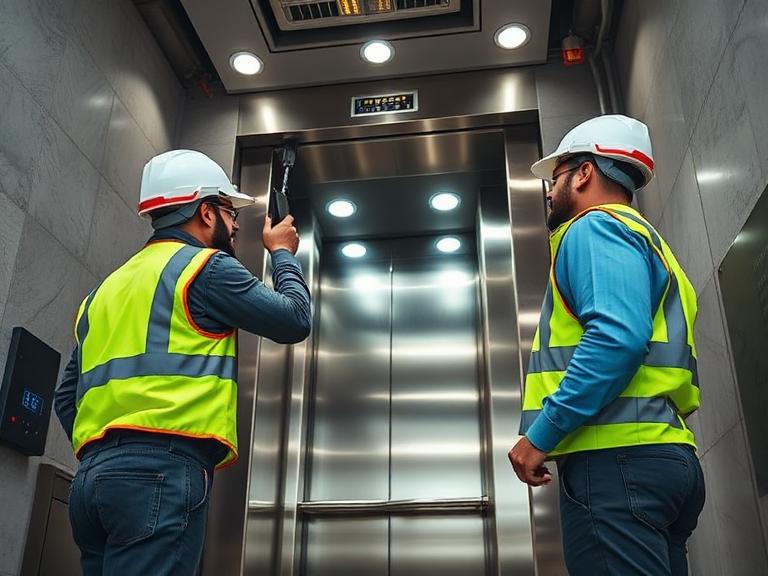
Passenger safety is the highest priority during elevator design and installation. Modern passenger lifts incorporate multiple safety systems that work together to protect occupants.
Automatic Rescue Device (ARD)
In the event of a power outage, the Automatic Rescue Device moves the elevator to the nearest floor and opens the doors, allowing passengers to exit safely.
Door Safety Sensors
Infrared sensors detect people or objects in the doorway and prevent the doors from closing until the entrance is clear.
Overload Protection
The elevator continuously monitors cabin weight. If the maximum rated capacity is exceeded, the lift remains stationary until excess weight is removed.
Emergency Alarm System
Passengers can activate the emergency alarm to notify building personnel or maintenance teams if assistance is required.
Battery Backup
Backup power supports emergency operations during electrical interruptions, improving passenger safety and minimizing inconvenience.
Emergency Communication System
Many modern passenger lifts include an intercom or telephone system that enables communication with security personnel or maintenance teams during emergencies.
Fire Emergency Operation
Passenger lifts installed in commercial buildings may include special operating modes that support emergency procedures during fire-related incidents, subject to local building requirements.
Anti-Slip Cabin Flooring
Slip-resistant flooring improves passenger safety, particularly during wet weather or in buildings with heavy daily traffic.
Smart Technologies in Passenger Elevators
Modern passenger lifts increasingly incorporate digital technologies that improve convenience, operational efficiency, and maintenance planning.
Destination Control Systems
Passengers enter their destination before boarding, allowing the elevator system to group passengers travelling to similar floors.
Benefits include:
- Reduced waiting times
- Improved traffic flow
- Faster passenger movement
- Better energy efficiency
Touchless Elevator Controls
Touchless technologies enable passengers to call elevators using mobile devices, QR codes, or gesture-based systems, reducing physical contact with control panels.
Remote Monitoring
Building managers and maintenance providers can monitor elevator performance remotely, receiving notifications when abnormal operating conditions occur.
Predictive Maintenance
Smart monitoring systems analyze elevator performance and identify early signs of component wear before breakdowns occur.
This proactive approach helps reduce downtime and maintenance costs.
Access Control Integration
Passenger elevators can integrate with access control systems to restrict access to authorized floors using key cards, biometric systems, or mobile credentials.
Energy-Efficient Passenger Elevators
Reducing energy consumption has become an important consideration for modern buildings.
Passenger lifts incorporate several technologies that improve energy efficiency without compromising performance.
Regenerative Drive Systems
These systems recover energy generated during elevator operation and return it to the building’s electrical system, reducing overall power consumption.
LED Cabin Lighting
LED lighting provides long-lasting illumination while consuming significantly less electricity than traditional lighting systems.
Standby Mode
When the elevator is idle, lighting, ventilation, and other non-essential systems automatically switch to low-power mode.
Variable Frequency Drives (VFD)
VFD technology controls motor speed more efficiently, improving ride comfort while reducing electricity consumption.
Lightweight Cabin Materials
Modern construction materials reduce cabin weight, allowing the drive system to operate more efficiently and lowering operating costs.
Preventive Maintenance After Installation
Routine maintenance is essential for maintaining safe and reliable passenger elevator operation.
A preventive maintenance program typically includes:
- Guide rail inspection
- Door system testing
- Brake inspection
- Rope or belt examination
- Controller diagnostics
- Lubrication of moving parts
- Electrical safety checks
- Emergency system testing
- Ride quality evaluation
- Cabin inspection
Regular maintenance helps maximize equipment lifespan while minimizing unexpected service interruptions.
Common Mistakes to Avoid During Passenger Lift Installation
Careful planning helps prevent expensive modifications and operational issues later.
Choosing an Incorrect Lift Capacity
Selecting a lift that is too small for the building’s occupancy can result in overcrowding and long waiting times.
Ignoring Future Building Expansion
Developers should consider future occupancy growth when planning elevator capacity and system configuration.
Focusing Only on Initial Cost
Choosing the least expensive option without considering energy efficiency, maintenance requirements, and long-term reliability may increase lifetime operating costs.
Poor Coordination During Construction
Late changes to shaft dimensions, electrical layouts, or structural elements can delay installation and increase project expenses.
Delaying Maintenance
Even newly installed elevators require regular preventive maintenance to maintain safety, efficiency, and warranty compliance.
Why Choose Professional Passenger Lift Installation in Hyderabad?
Professional installation provides long-term benefits that extend beyond simply placing an elevator into service.
Advantages include:
- Comprehensive site evaluation
- Customized elevator recommendations
- Professional engineering support
- Precision installation
- Advanced safety systems
- Energy-efficient solutions
- Thorough testing and commissioning
- Preventive maintenance programs
- Reliable technical support
- Long-term operational reliability
Working with experienced elevator specialists ensures the system is designed and installed to meet the building’s operational needs while delivering a safe and comfortable passenger experience.
Frequently Asked Questions
1. Which passenger lift is suitable for residential apartments?
Traction lifts and Machine Room Less (MRL) elevators are popular choices for apartment buildings because they offer smooth operation, energy efficiency, and space-saving installation.
2. How is passenger lift capacity determined?
Capacity depends on building occupancy, expected passenger traffic, peak usage periods, accessibility requirements, and future expansion plans.
3. Are passenger lifts energy efficient?
Yes. Modern passenger elevators incorporate regenerative drives, LED lighting, Variable Frequency Drives (VFD), and standby modes to reduce electricity consumption.
4. How often should passenger lifts be serviced?
Routine preventive maintenance should be performed according to the manufacturer’s recommendations and the level of daily elevator usage.
5. Can passenger lifts be integrated with smart building systems?
Yes. Many modern elevators support destination control, touchless operation, remote monitoring, predictive maintenance, and access control integration.
Conclusion
Passenger elevators are an essential feature of modern residential and commercial buildings, providing safe, efficient, and comfortable vertical transportation for people of all ages and abilities. Choosing professional Passenger Lift Installation Hyderabad ensures every stage of the project—from planning and engineering to installation, testing, and commissioning—is completed with precision and attention to safety.
By selecting the right elevator type, capacity, and smart features, property owners can improve accessibility, enhance user experience, reduce energy consumption, and support long-term operational efficiency. With proper installation and ongoing preventive maintenance, a passenger lift becomes a valuable investment that contributes to the functionality, convenience, and overall value of any building.