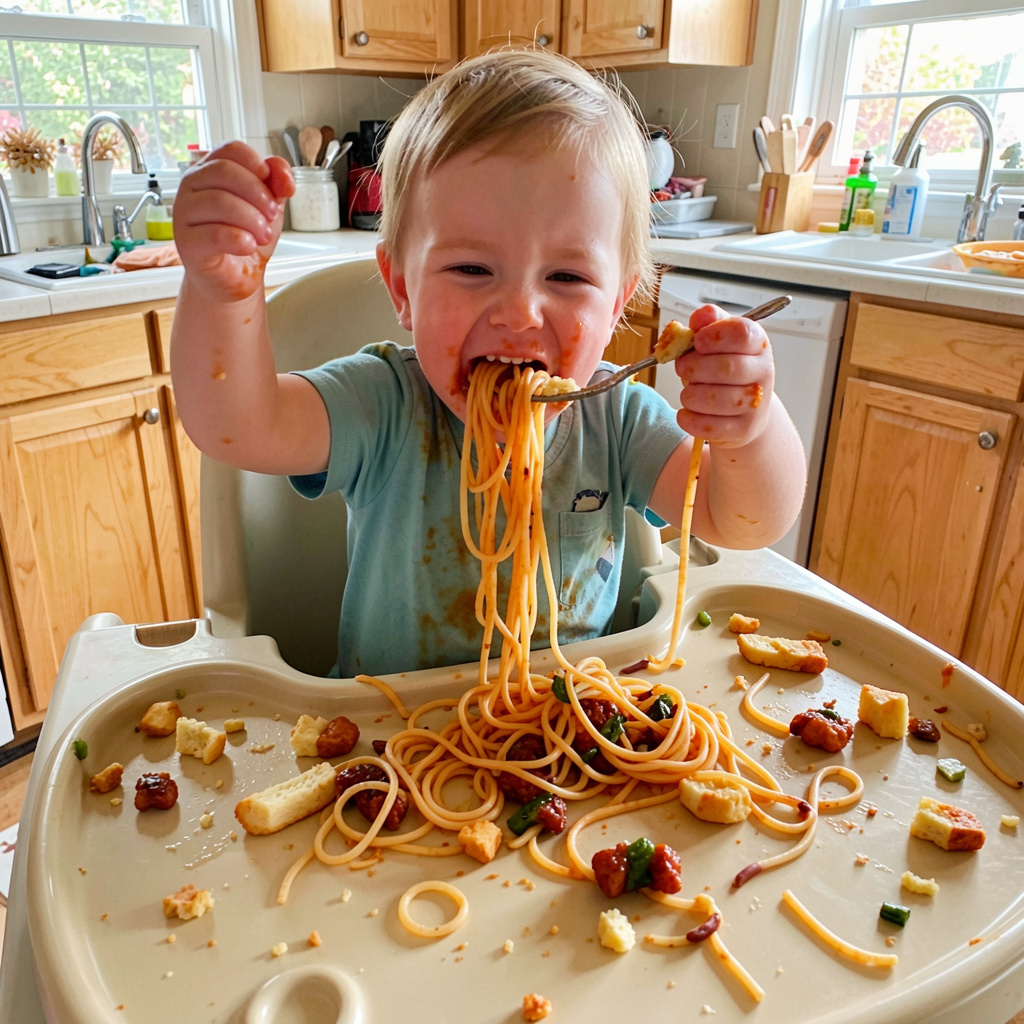
Table of Contents
Toddler Throwing Things: Causes, Solutions & Positive Parenting Tips
Toddler throwing things is usually a normal developmental behaviour. Toddlers throw objects because they are exploring cause and effect, practising motor skills, expressing emotions, seeking attention, or reacting to frustration. Parents can reduce throwing by staying calm, setting consistent boundaries, teaching emotional regulation, praising positive behaviour, and providing safe opportunities for active play. If throwing becomes persistent, dangerous, or occurs alongside other developmental concerns, seeking advice from a GP or health visitor may be appropriate.

Is It Normal for Toddlers to Throw Things?
Yes.
Throwing is a common behaviour between the ages of one and three years.
Young children are learning:
- How objects move
- Cause and effect
- Hand-eye coordination
- Strength and balance
- Emotional expression
To a toddler, dropping a spoon from the high chair isn’t simply making a mess—it may be an experiment. They are discovering what happens when objects fall, how adults respond, and how different materials make different sounds.
While this behaviour is often developmentally appropriate, parents still need to teach safe and respectful ways to play.
Why Do Toddlers Throw Things?
Understanding the reason behind the behaviour makes it easier to respond effectively.
Every child is different, and throwing may have more than one cause.
1. Exploring Cause and Effect
Toddlers are little scientists.
They quickly learn that:
- Balls bounce.
- Toys make sounds.
- Cups fall to the floor.
- Parents pick objects back up.
Repeating these actions helps them understand how the world works.
2. Developing Motor Skills
Throwing strengthens important physical skills, including:
- Arm strength
- Hand-eye coordination
- Balance
- Timing
- Spatial awareness
Many children simply enjoy practising these new abilities.
Providing safe opportunities to throw soft balls outdoors can help satisfy this developmental need.
3. Expressing Big Emotions
Toddlers experience powerful emotions but often lack the vocabulary to explain them.
A child may throw something because they feel:
- Angry
- Frustrated
- Excited
- Overwhelmed
- Disappointed
- Tired
Instead of saying, “I’m frustrated,” they express their feelings through actions.
Teaching emotional language gradually reduces this behaviour.
4. Seeking Attention
Children quickly learn which behaviours attract adult responses.
If throwing always leads to immediate attention, even negative attention, the behaviour may continue.
This does not mean parents should ignore unsafe behaviour. Instead, respond calmly and consistently without turning throwing into a dramatic event.
5. Feeling Overstimulated
Busy environments, loud noises, crowded places, or long days can overwhelm toddlers.
When children struggle to regulate their emotions, throwing may become a way of releasing tension.
Creating calm transitions between activities often helps.
6. Testing Boundaries
As toddlers become more independent, they naturally explore limits.
They may wonder:
- What happens if I throw this?
- Will Mum say no?
- Will Dad pick it up?
Testing boundaries is a normal part of learning about rules and expectations.
Consistent responses help children understand acceptable behaviour.
Common Situations Where Toddlers Throw Things
Throwing can happen in many everyday situations.
Examples include:
During Meals
Some toddlers throw food because they are:
- Finished eating
- Full
- Curious
- Seeking attention
- Bored
Watching for signs that your child has finished eating can reduce food throwing.
During Tantrums
Strong emotions often lead to impulsive actions.
A frustrated toddler may throw:
- Toys
- Books
- Cushions
- Clothes
Helping children identify their feelings is more effective than simply telling them to stop.
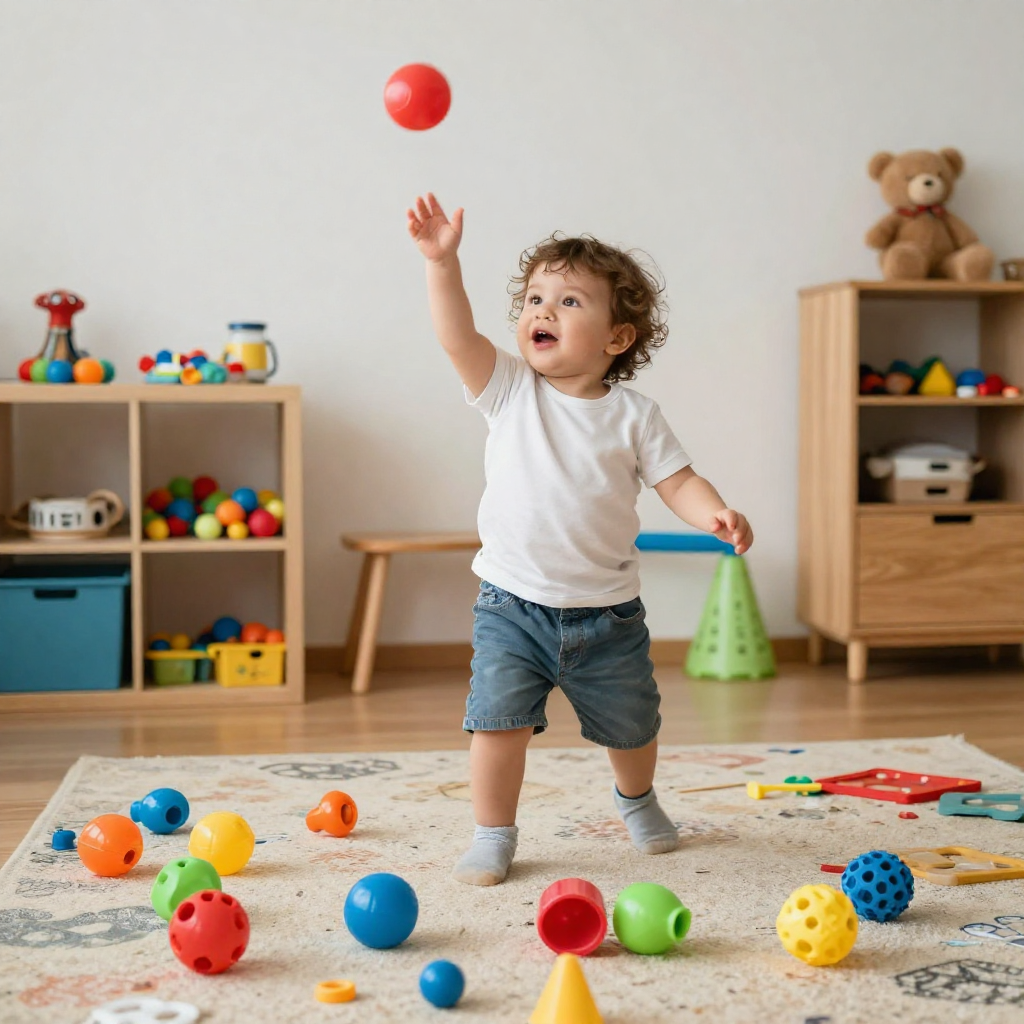
During Play
Not all throwing is negative.
Throwing balls, beanbags, or soft toys during games supports physical development.
The goal is to teach:
- What can be thrown.
- Where throwing is safe.
- What should never be thrown.
In Public
Supermarkets, restaurants, and waiting rooms can be challenging for toddlers.
They may throw objects because they are:
- Tired
- Hungry
- Bored
- Overstimulated
Planning ahead with snacks, quiet activities, and regular breaks may reduce challenging behaviour.
When Does Throwing Become a Concern?
Although toddler throwing things is usually a normal stage, parents should pay closer attention if the behaviour:
- Frequently causes injury.
- Continues beyond the expected developmental stage without improvement.
- Happens alongside significant delays in communication or social interaction.
- Becomes increasingly aggressive.
- Causes serious distress for the child or family.
If you have concerns, discuss them with your GP or health visitor.
How to Respond When Your Toddler Throws Things
The way adults respond influences whether the behaviour decreases over time.
Stay Calm
It is natural to feel frustrated.
However, shouting or reacting angrily may increase emotional intensity.
Take a calm approach.
Speak clearly and confidently.
Keep Everyone Safe
If your toddler throws dangerous objects:
- Remove the object.
- Move other children if necessary.
- Stay nearby.
- Keep your response calm.
Safety should always come first.
Set Clear Boundaries
Simple language works best.
For example:
- “Blocks stay on the floor.”
- “Food stays on the table.”
- “We don’t throw hard toys.”
Toddlers understand short, repeated messages better than long explanations.
Teach What to Do Instead
Rather than focusing only on stopping the behaviour, show your child an appropriate alternative.
Examples include:
- Throw a soft ball into a basket.
- Place unwanted food on a plate.
- Ask for help.
- Use simple words like “finished” or “help.”
Teaching replacement behaviours is more effective than punishment alone.
Praise Positive Behaviour
Notice when your toddler handles objects gently.
For example:
- “Thank you for putting your cup on the table.”
- “I like how gently you’re playing with your toys.”
Positive attention encourages children to repeat desirable behaviours.
Common Mistakes Parents Should Avoid
Even with good intentions, some responses may accidentally reinforce throwing.
Avoid:
Overreacting
Large emotional reactions may encourage toddlers who enjoy seeing cause and effect.
Giving Long Lectures
Toddlers cannot process lengthy explanations during emotional moments.
Keep guidance brief.
Laughing at Dangerous Throwing
If adults sometimes laugh and sometimes become upset, children receive mixed messages.
Consistency is essential.
Ignoring Emotional Needs
Sometimes throwing is a sign that a toddler is tired, hungry, overwhelmed, or seeking connection.
Looking beyond the behaviour helps parents respond more effectively.
Supporting Positive Behaviour Every Day
Reducing toddler throwing things isn’t just about correcting unwanted behaviour—it also involves building skills that help children manage emotions and communicate their needs.
Parents can encourage positive behaviour by:
- Maintaining predictable routines.
- Offering age-appropriate choices.
- Providing regular opportunities for active play.
- Teaching simple feeling words such as “happy,” “sad,” “angry,” and “frustrated.”
- Praising cooperation and gentle play.
- Modelling calm behaviour during challenging moments.
Over time, these everyday interactions help toddlers develop self-control and confidence.
Using Trusted Parenting Resources
Parenting challenging behaviours can feel overwhelming, especially when you’re dealing with repeated throwing, tantrums, or emotional outbursts. Alongside guidance from your GP or health visitor when needed, many families benefit from evidence-informed parenting resources. Platforms such as TinyPal provide practical advice on toddler behaviour, emotional regulation, positive parenting strategies, and everyday challenges, helping parents respond consistently while supporting their child’s development.